Go Further on a Gallon: Why Tire Pressure and Tire Type Matter More for Your Fuel Economy Than You Think

Go Further on a Gallon: Why Tire Pressure and Tire Type Matter More for Your Fuel Economy Than You Think
When Americans think about saving gas, the focus usually lands on engine size, driving habits, or vehicle weight. But one of the biggest factors in how far you can go on a gallon of gas is right where the rubber meets the road: your tires. Tire pressure and tire type have a major impact on fuel economy, and a few simple adjustments can make a noticeable difference in both your gas budget and your car’s performance.
Tire Pressure – The Hidden Energy Thief
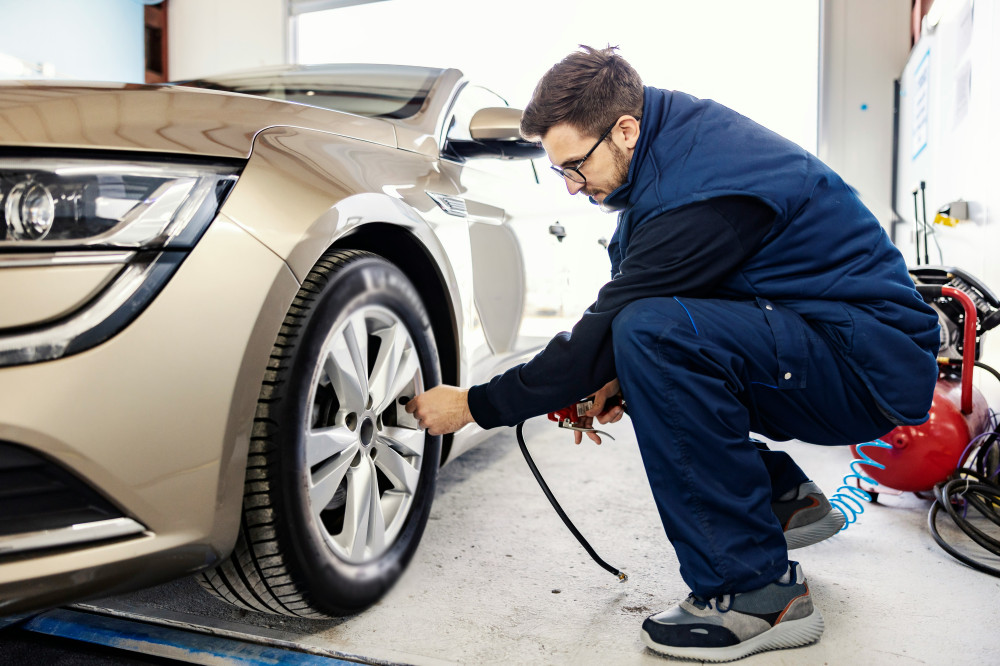
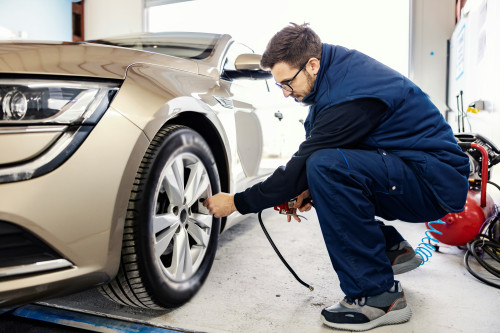
Underinflated tires increase rolling resistance, which means your engine has to work harder to keep the car moving. According to the U.S. Department of Energy, driving on tires that are just 10 psi under the recommended pressure can lower gas mileage by up to 3%. That might not sound like much, but over the course of a year, it can add up to several extra tanks of gas—and unnecessary wear on your tires.
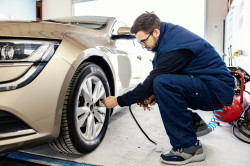
Make it a habit to check your tire pressure at least once a month and before long trips. You’ll find the correct pressure listed on a sticker inside the driver’s door or in your owner’s manual. Always check when the tires are cold, since pressure readings rise as the tires heat up from driving.
Properly inflated tires don’t just save fuel—they also improve handling, braking distance, and overall safety. It’s a small step that pays off in multiple ways.
Tire Type and Tread – Not All Tires Roll the Same
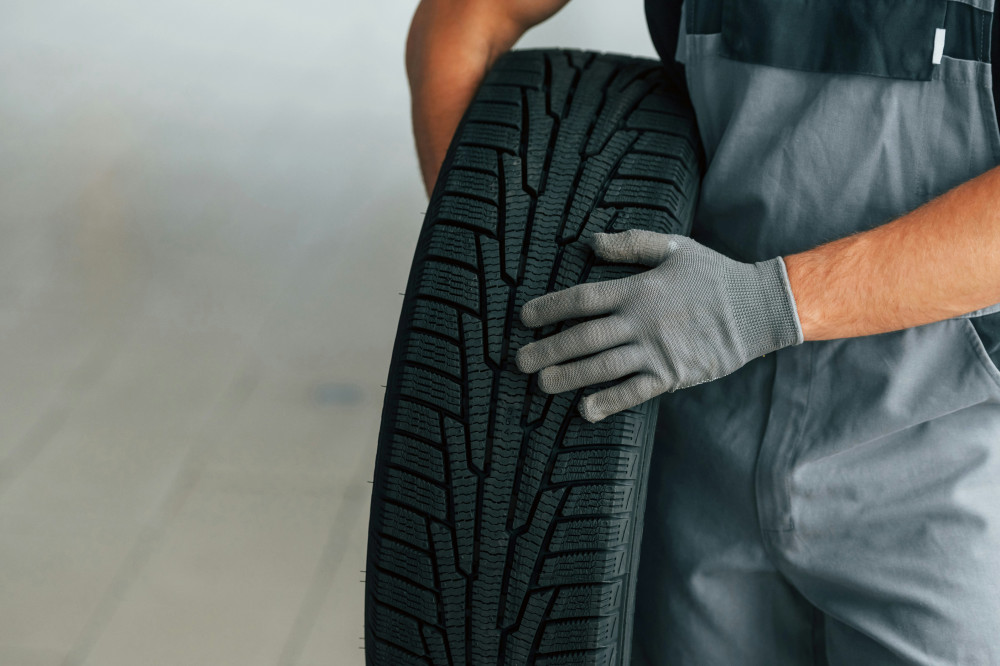
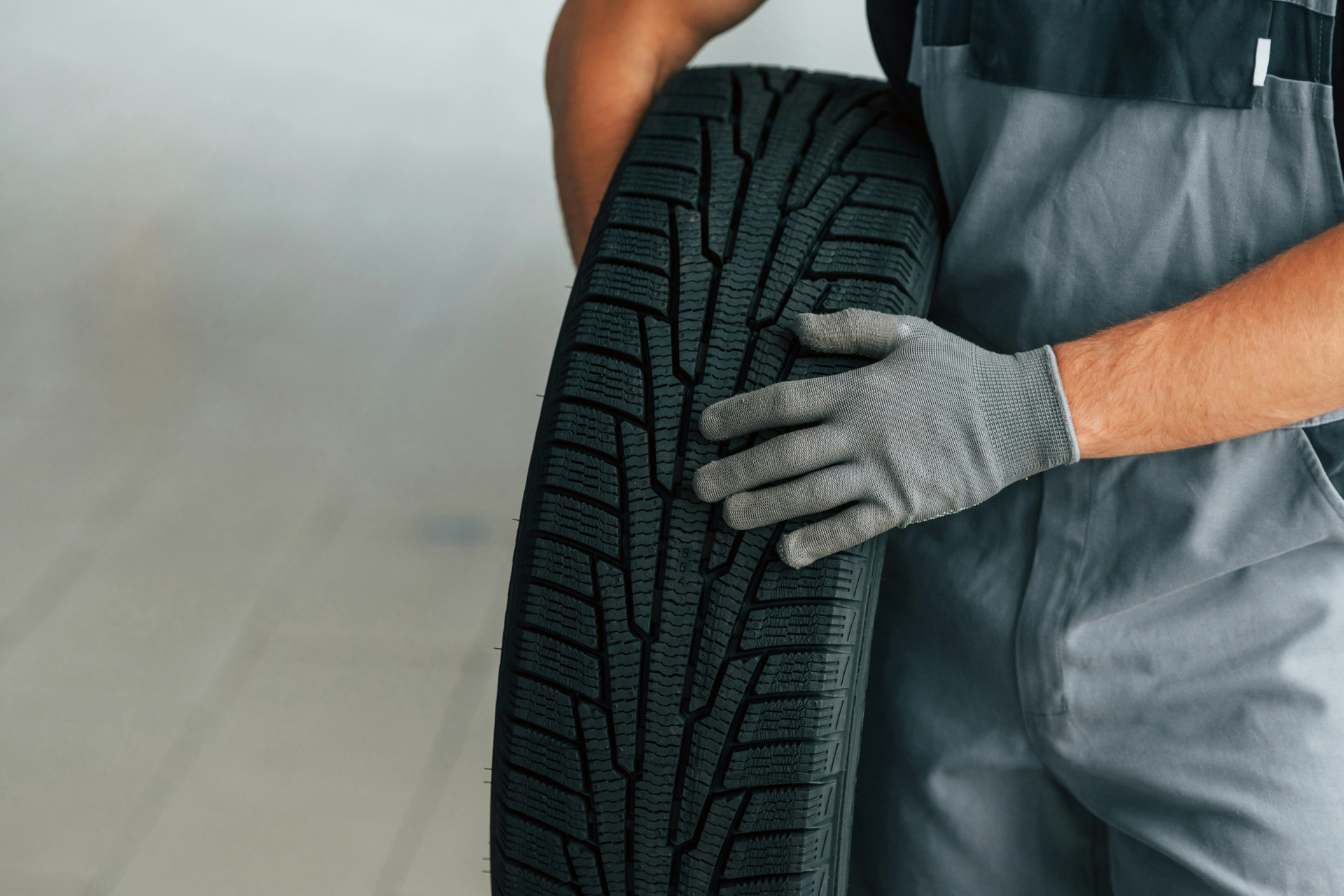
Not all tires are created equal when it comes to energy efficiency. Low rolling resistance tires, often labeled as “eco” or “fuel-efficient,” are designed to reduce the amount of energy lost as the tire flexes and rolls. The result? Up to 2–4% better fuel economy compared to standard tires.
These tires typically use a stiffer rubber compound and a tread pattern that minimizes deformation. Less energy is wasted as heat, and your car glides more easily down the road. However, some models may trade a bit of wet traction for efficiency, so it’s important to choose a tire that balances safety and performance for your driving conditions.
When shopping for new tires, look for the Uniform Tire Quality Grading (UTQG) information on the sidewall and check for manufacturer data on rolling resistance. Many tire makers now publish fuel-efficiency ratings, making it easier to compare options.
Summer, Winter, or All-Season – Choose for Your Climate
In much of the U.S., all-season tires are the go-to choice for convenience. They’re designed to handle a wide range of conditions, but they’re also a compromise. If you live in a region with harsh winters or very hot summers, switching between seasonal tires can improve both safety and fuel efficiency.
Summer tires perform best in warm weather, offering lower rolling resistance and better grip on dry pavement. Winter tires, on the other hand, stay flexible in cold temperatures and provide traction on snow and ice—but they increase rolling resistance when used in warm weather. Driving on winter tires year-round can cost you extra fuel and wear them out faster.
Choosing the right tire for the season isn’t just about safety—it’s also about getting the most miles per gallon.
Læs også:


Driving Habits and Maintenance – Small Changes, Big Results
Even the most efficient tires can’t make up for aggressive driving. Smooth acceleration, steady speeds, and gentle braking can improve fuel economy by up to 10%. Combine that with proper tire pressure and the right tire type, and you’ll see real savings at the pump.
Don’t forget about alignment and balance. Misaligned wheels or uneven tire wear increase rolling resistance and shorten tire life. A properly aligned and balanced set of tires rolls more easily, lasts longer, and keeps your car running efficiently.
A Simple Check That Pays Off
Keeping an eye on your tire pressure and choosing the right tires are among the easiest ways to boost your car’s fuel economy. It doesn’t require special tools or mechanical know-how—just a few minutes of attention each month.
So next time you stop for gas, take a moment to check your tire pressure. That quick check could be the difference between getting 30 or 32 miles per gallon—and that’s something you’ll notice in your wallet and your carbon footprint.
Læs også: