Stay Calm When Markets Fluctuate – Avoid Impulsive Investment Decisions

Stay Calm When Markets Fluctuate – Avoid Impulsive Investment Decisions
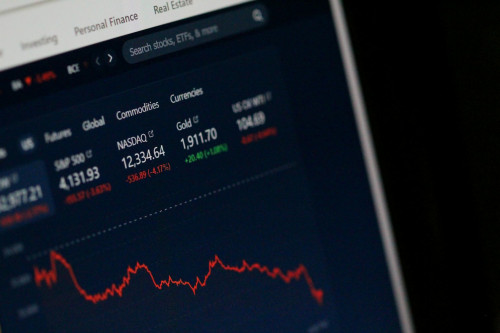
When the stock market swings sharply and headlines warn of volatility and uncertainty, it can be tempting to act fast. Many investors feel anxious when their portfolio values drop, but those are precisely the moments when staying calm matters most. Impulsive decisions can be costly—both financially and emotionally. Here’s why patience and planning are key to long-term investment success.
Market Fluctuations Are Part of the Game
Ups and downs are a natural part of investing. Stock prices are influenced by everything from economic data and interest rates to global events and investor sentiment. Yet, history shows that markets have always recovered after periods of turbulence.
If you invest with a long-term perspective, temporary declines are rarely a problem. In fact, they can present opportunities to buy quality assets at lower prices. The challenge is to look beyond short-term noise and stick to your plan.
Emotions and Investing – A Risky Mix
When markets fall, fear often takes over. It’s a human reaction, but in investing, it can lead to poor decisions. Selling in panic when prices drop often means locking in losses—and missing the rebound when the market recovers.
The opposite can also be true: when prices soar, greed can drive investors to buy at the top, afraid of missing out. Both reactions undermine a sound investment strategy. A helpful reminder is that successful investing is about time in the market, not timing the market.
Have a Clear Strategy – and Stick to It
A well-thought-out investment strategy is your best defense against impulsive decisions. It should reflect your time horizon, risk tolerance, and financial goals. Once you have a plan, it becomes easier to stay the course when markets move unpredictably.
Consider writing your strategy down: Why are you investing? When will you review your portfolio? What criteria will guide any changes? A written plan acts as an anchor, helping you stay steady when emotions run high.
Diversification Helps Smooth the Ride
One of the most effective ways to manage risk is through diversification. By spreading your investments across different sectors, regions, and asset classes, you reduce your exposure to any single company or market.
A diversified portfolio won’t eliminate risk entirely, but it can make market swings more manageable—and give you the confidence to stay invested. Many U.S. investors use index funds or exchange-traded funds (ETFs) to achieve broad diversification at a low cost.
Check In – But Not Too Often
It’s easy to obsess over your portfolio when markets are volatile. But checking your account daily can heighten anxiety and lead to overreactions. Instead, set regular review intervals—perhaps quarterly or twice a year.
This approach helps you stay informed without being swayed by short-term movements. Use these reviews to ensure your portfolio still aligns with your goals and risk profile, not to react to every market dip or rally.
Talk to a Financial Advisor if You’re Unsure
Even experienced investors can feel uneasy during market downturns. If you find yourself second-guessing your decisions, consider speaking with a financial advisor. A professional can help you assess whether your portfolio remains appropriate and remind you of your long-term objectives.
Seeking advice isn’t a sign of weakness—it’s a smart way to protect both your finances and your peace of mind.
Læs også:



Patience Pays Off
History shows that investors who stay disciplined through both bull and bear markets tend to outperform those who try to predict short-term movements. Patience and consistency are two of the most valuable traits an investor can have.
When markets fluctuate, remind yourself that volatility is temporary, but your goals are long-term. Staying calm isn’t just an emotional skill—it’s a financial strategy.
Læs også: