Engine, Weight, and Aerodynamics: What Matters Most for a Car’s Fuel Economy?


Engine, Weight, and Aerodynamics: What Matters Most for a Car’s Fuel Economy?
When we talk about fuel economy, it’s tempting to point to the engine as the main factor. But in reality, it’s the interplay between engine efficiency, vehicle weight, and aerodynamics that determines how far a car can go on a gallon of gas—or how many kilowatt-hours it uses per 100 miles if we’re talking about EVs. In this article, we’ll take a closer look at how these three factors affect fuel consumption, and why the biggest engine isn’t always the biggest culprit.
Engine Efficiency – The Heart of Fuel Economy
The engine is the car’s powerhouse, and its efficiency has a major impact on how much energy is lost along the way. A modern gasoline engine typically converts only about 30–40% of the fuel’s energy into actual motion—the rest is lost as heat. That’s why advances like turbocharging, direct injection, and hybrid systems have been so important in improving fuel economy.
A smaller engine can often be more efficient, but only if it’s not constantly pushed to its limits. A small engine in a heavy SUV may end up burning more fuel than a larger engine that operates more comfortably. The key is balance—matching the engine’s power to the vehicle’s size and purpose.
Weight – Every Extra Pound Costs Energy
Vehicle weight plays a crucial role, especially in city driving and stop-and-go traffic. The heavier the car, the more energy it takes to get it moving. That’s one reason electric vehicles, which often weigh more due to their large battery packs, can sometimes use more energy than expected, even though their motors are highly efficient.
Automakers are working hard to reduce weight through the use of lightweight materials like aluminum, carbon fiber, and high-strength steel. Even a 200-pound reduction can improve fuel economy by 2–4%. That might not sound like much, but over the life of the vehicle, it can make a noticeable difference in both fuel costs and emissions.
Læs også:

Aerodynamics – Fighting the Wind
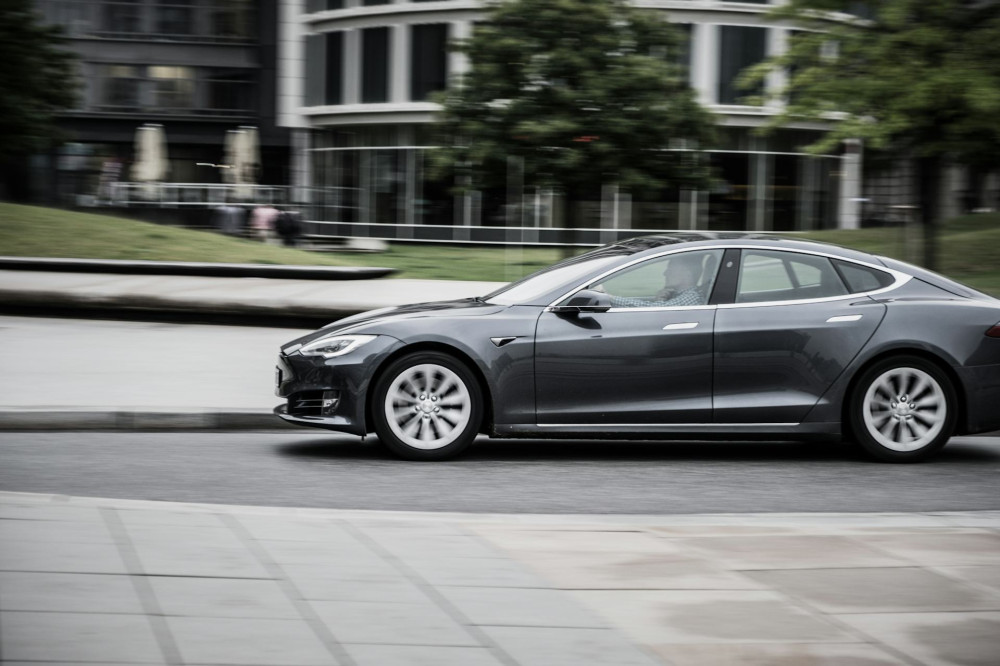
Once a car is up to highway speed, air resistance becomes the biggest energy thief. Aerodynamics is all about how easily a car slices through the air, and it’s often measured by the drag coefficient (Cd). A lower Cd means less resistance and better efficiency at higher speeds.
On the interstate, aerodynamics can matter more than both weight and engine size. A tall, boxy SUV with a large frontal area will use significantly more fuel than a sleek sedan, even if they share the same powertrain. That’s why many electric vehicles feature smooth body lines, flush door handles, and closed-off grilles—to minimize drag and extend range.
The Interplay Between the Three Factors
In practice, engine efficiency, weight, and aerodynamics are closely connected. A light, aerodynamic car can get by with a smaller engine, which further reduces weight and improves efficiency. Conversely, a heavy, bulky vehicle needs a more powerful engine, which consumes more energy—a cycle that’s hard to break.
It’s impossible to single out one factor as the most important. It depends on how and where the car is driven. In city traffic, weight matters most; on the highway, aerodynamics takes the lead. Engine efficiency plays a role in every situation, but its impact depends on how well it complements the car’s overall design.
What Drivers Can Do
While you can’t change your car’s basic design, you can influence its fuel economy through driving habits and maintenance:
- Drive smoothly and avoid hard acceleration. Gentle driving can significantly reduce fuel use.
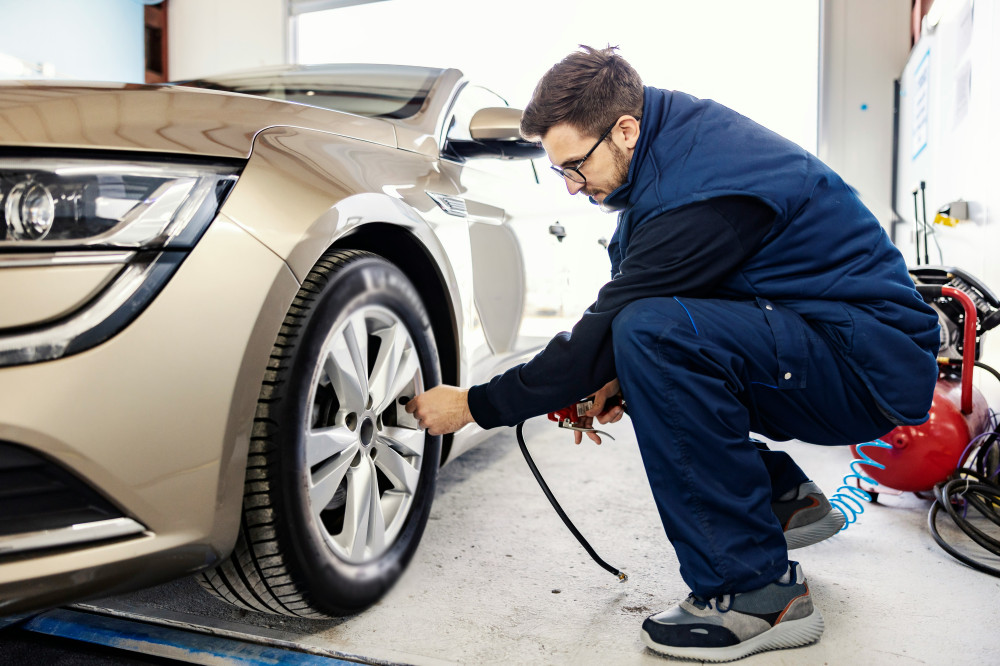
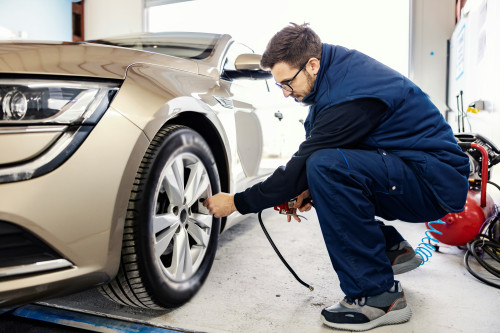
- Keep your tires properly inflated. Low tire pressure increases rolling resistance.
- Remove unnecessary weight. Take off roof racks or cargo boxes when not in use—they add both weight and drag.
- Plan your trips. Avoid unnecessary stops and use cruise control on the highway when possible.
Small changes in driving behavior can often yield results comparable to technical improvements.
The Future of Efficiency
The future of automotive design lies in optimizing all three factors together. Electric and hybrid vehicles already use energy far more efficiently than traditional gas engines, but they also bring new challenges in terms of weight and aerodynamics.
Tomorrow’s cars won’t just be powerful or lightweight—they’ll be intelligently engineered to use as little energy as possible under all conditions. And it’s in the balance between engine, weight, and aerodynamics that the key to better fuel economy and cleaner transportation truly lies.
Læs også: