Check Your Tires Before the Trip: A Simple Guide to Safe and Economical Driving

Check Your Tires Before the Trip: A Simple Guide to Safe and Economical Driving
A good set of tires is more than just a practical necessity—they’re essential for safety, comfort, and fuel efficiency. Yet many drivers forget to check their tires before heading out on a road trip, commuting long distances, or even taking a weekend drive. With a few simple habits, you can extend the life of your tires, save money, and reduce the risk of accidents. Here’s a straightforward guide to checking your tires before you hit the road.
Why Your Tires Matter More Than You Think
Your tires are the only part of your car that actually touches the road—four small patches of rubber that handle all the acceleration, braking, and steering. Worn or improperly inflated tires can reduce traction, increase stopping distance, and make your car burn more fuel. So checking your tires isn’t just about comfort—it’s about safety and economy.
Proper tire pressure can improve gas mileage by up to 3%, while underinflated tires can cause uneven wear and increase the risk of a blowout. A few minutes of maintenance can pay off in both safety and savings.
Check the Tread Depth – It’s All About Grip
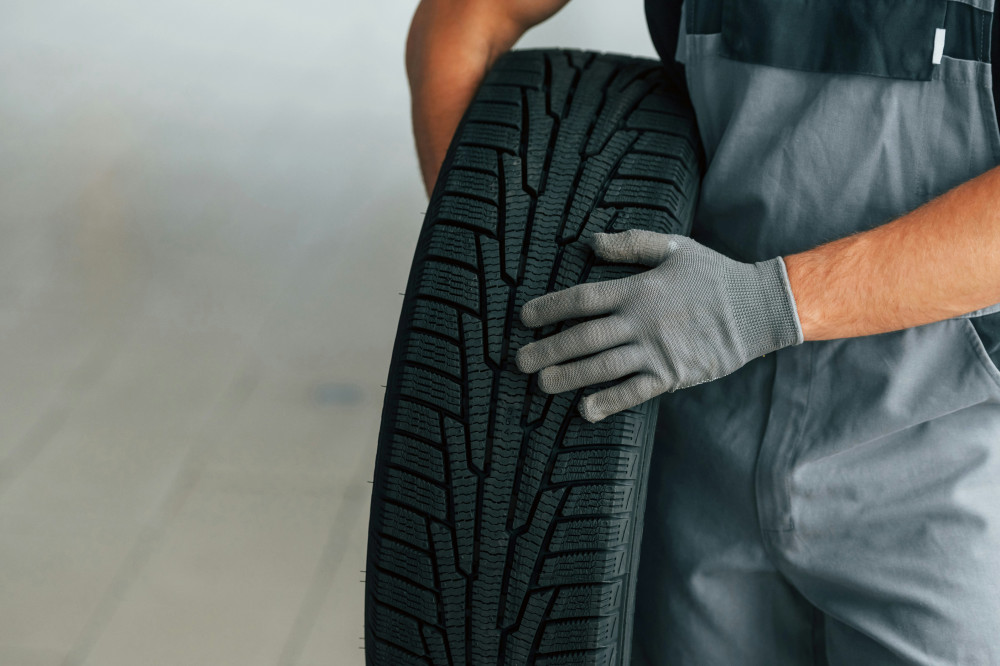
In the United States, the legal minimum tread depth is 2/32 of an inch, but most experts recommend replacing tires when the tread reaches 4/32 of an inch for better wet-weather performance. As tread wears down, your tires lose their ability to channel water away from the road, increasing the risk of hydroplaning.
You can easily check tread depth with a tread depth gauge, available at most auto parts stores. If you don’t have one, use a penny: insert it into the tread with Lincoln’s head upside down. If you can see the top of his head, it’s time for new tires.
Check Tire Pressure Regularly
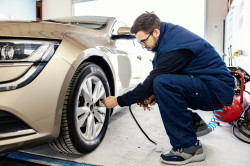
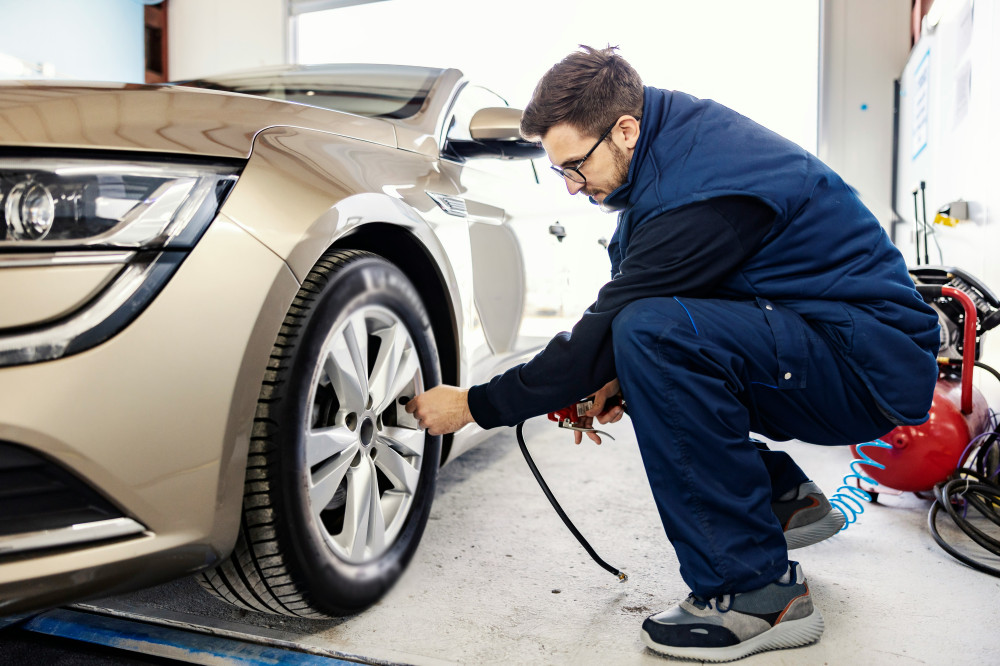
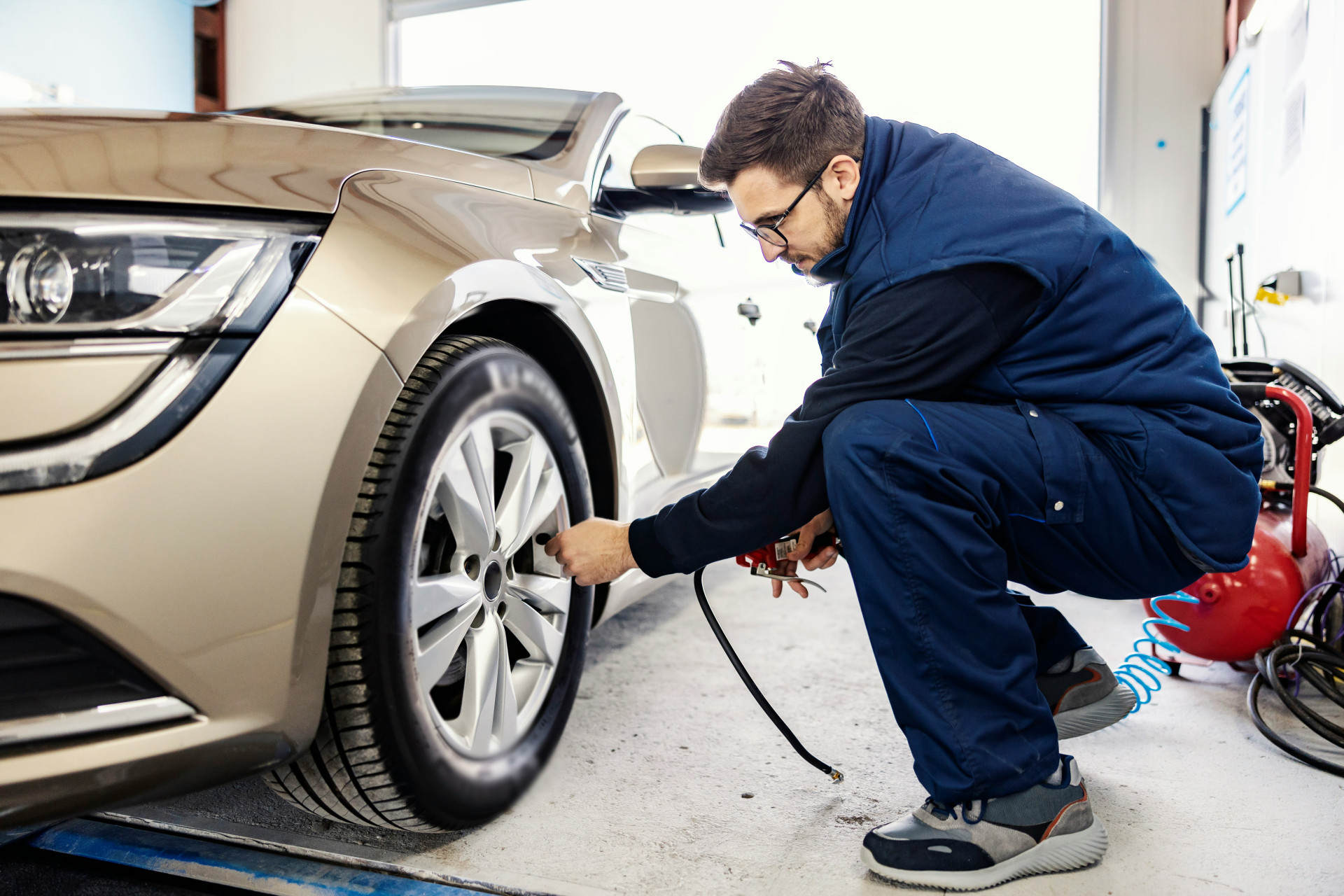
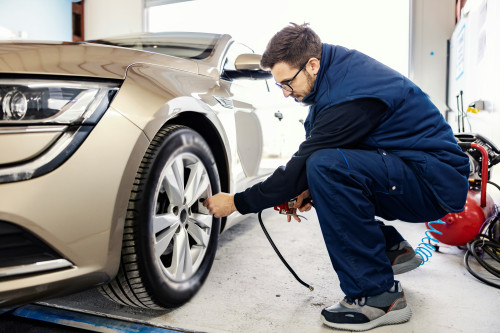
Tire pressure should be checked at least once a month and always before a long trip. You’ll find the recommended pressure in your owner’s manual, on a sticker inside the driver’s door, or sometimes on the fuel door. Use a reliable tire pressure gauge or check it at a gas station air pump.
Remember to measure pressure when the tires are cold—before driving more than a couple of miles. Underinflated tires increase rolling resistance and fuel consumption, while overinflated tires can make your car less stable and cause uneven wear.
Look for Damage and Uneven Wear
Before you drive, inspect your tires for cracks, bulges, or embedded objects like nails or stones. Even a small puncture can lead to a flat if left unnoticed. Uneven wear patterns may indicate alignment or suspension issues, which should be checked by a mechanic.
A good habit is to rotate your tires every 5,000 to 7,500 miles, or as recommended by your vehicle manufacturer. This helps them wear evenly and last longer.
Læs også:


Choose the Right Tires for the Season
If you live in an area with cold winters, consider switching between summer and winter tires. Summer tires perform best in warm conditions, offering better grip and fuel efficiency, while winter tires are designed for traction on snow and ice. All-season tires can be a convenient compromise for drivers in milder climates, but they don’t perform as well in extreme conditions.
When buying new tires, look for the Uniform Tire Quality Grading (UTQG) ratings on the sidewall, which indicate treadwear, traction, and temperature resistance. These ratings can help you compare performance and durability.
Don’t Forget the Spare—or the Repair Kit
Many newer cars no longer come with a full-size spare tire, but instead include a tire repair kit with sealant and a small air compressor. Check that your kit is complete and that the sealant hasn’t expired—it usually lasts about four to five years. If your car does have a spare, make sure it’s properly inflated and in good condition. The last thing you want is to discover a flat spare on the side of the highway.
A Small Routine with a Big Payoff
Checking your tires takes less than ten minutes, but it can make a big difference in safety, performance, and fuel economy. Make it a habit to inspect your tires when you wash your car or fill up the tank. It’s a simple step that gives you peace of mind and helps you drive more efficiently.
With well-maintained tires, you’ll not only drive safer—you’ll go farther on every gallon. It’s smart, economical, and good for the environment.
Læs også: