What Makes a “Good Home”? How Trends and Norms Shape Our Housing Choices


What Makes a “Good Home”? How Trends and Norms Shape Our Housing Choices
What does it really mean to have a “good home”? For some, it’s about space and location; for others, it’s about comfort, sustainability, or community. Our idea of what makes a home “good” isn’t just a matter of personal taste—it’s shaped by cultural norms, economic realities, and the trends of the time. In this article, we’ll explore how the American ideal of a good home has evolved and what influences our housing choices today.
From Shelter to Self-Expression
In the early 20th century, the American home was primarily about function. After waves of industrialization and urban growth, housing was built to meet basic needs: shelter, warmth, and room for family life. Over time, however, the home became more than a necessity—it became a reflection of identity.
The type of home we choose, its location, and even its interior design communicate who we are and what we value. A suburban house with a yard might signal stability and family life, while a downtown loft could represent independence and mobility. The home has become a social statement, and that shapes how we define what’s “good.”
Trends That Shape the American Dream
Housing trends shift with society. In the postwar 1950s, the suburban single-family home symbolized success and security. Today, the picture is more complex. Many Americans are rethinking what they want from their living spaces, balancing affordability, sustainability, and lifestyle flexibility. Some of the most notable trends include:
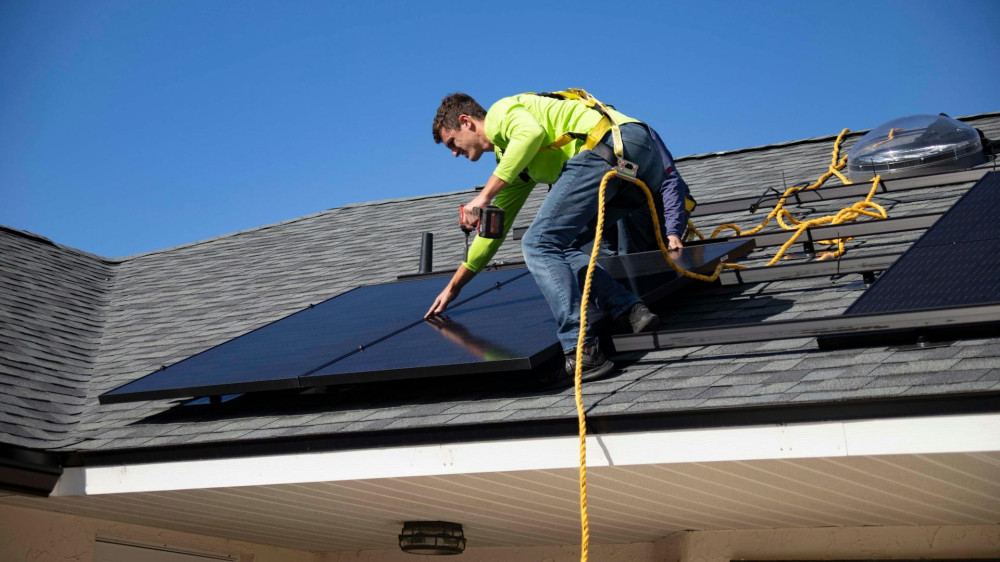
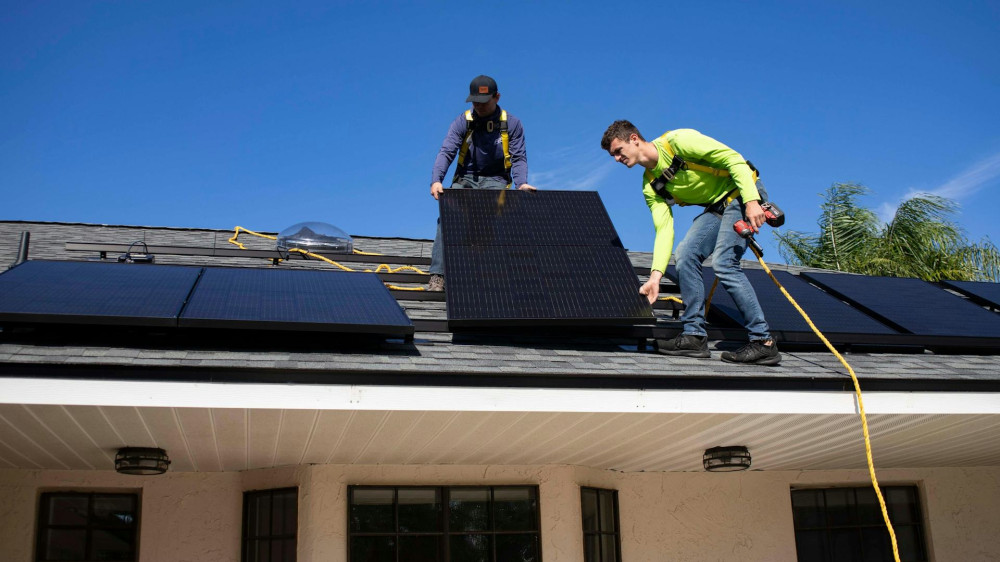
- Sustainability and energy efficiency – Solar panels, eco-friendly materials, and low-carbon living are increasingly important to homeowners and renters alike.
- Flexibility – Homes now need to adapt to changing needs, from remote work setups to multigenerational living.
- Community and connection – Co-housing, shared spaces, and walkable neighborhoods appeal to those seeking social interaction and shared resources.
- Aesthetic influence – Social media platforms like Instagram and Pinterest shape our sense of what a “beautiful” home looks like, from minimalist interiors to cozy, lived-in spaces.
These trends show that a good home today is not just about square footage—it’s about values, lifestyle, and identity.
Læs også:



The Invisible Forces: Economy and Expectations
While we like to think our housing choices reflect personal freedom, economic factors play a decisive role. Rising home prices, interest rates, and limited housing supply define what’s possible for many Americans. At the same time, social expectations influence our decisions more than we might admit.
There’s often pressure to “move up” from renting to owning, or to have a home that meets certain standards of success. This can create a sense of competition or inadequacy, even when our needs differ. The “good home” becomes not only a place of comfort but also a marker of status and belonging.
The Future of the Good Home
Looking ahead, technology and climate change will likely reshape our housing ideals. Smart homes with automated systems promise convenience, while environmental challenges will demand more resilient and energy-efficient designs. At the same time, affordability crises in major cities may push more people to rethink what “good” really means—perhaps prioritizing community, flexibility, and well-being over size or prestige.
The good home of the future might not be the biggest or most high-tech, but the one that offers security, adaptability, and a sense of connection—no matter the ZIP code.
A Personal Idea in a Shared Context
Ultimately, the idea of a “good home” is deeply personal. For some, it’s a quiet space surrounded by nature; for others, it’s a lively household full of people and activity. Yet our choices always exist within a broader cultural and economic framework, where trends, norms, and opportunities intersect.
Understanding how these forces shape our preferences can help us make more conscious decisions—and perhaps realize that the best home isn’t the one everyone else dreams of, but the one that truly fits our own lives.
Læs også: