Housing Costs Over Time: Why Long-Term Budget Planning Matters

Housing Costs Over Time: Why Long-Term Budget Planning Matters
For most Americans, housing is the single largest expense in the household budget—and one of the most unpredictable. Mortgage rates, property taxes, maintenance costs, and utility bills can all fluctuate over time, sometimes dramatically. Whether you rent or own, understanding how these costs evolve and planning ahead can make a major difference in your financial stability.
Housing Costs Are Not Static
It’s easy to assume that your housing costs will stay roughly the same year after year. But in reality, they rarely do. Homeowners may face changes in mortgage interest rates, property tax reassessments, or rising insurance premiums. Renters, on the other hand, often see annual rent increases, especially in competitive housing markets or after property upgrades.
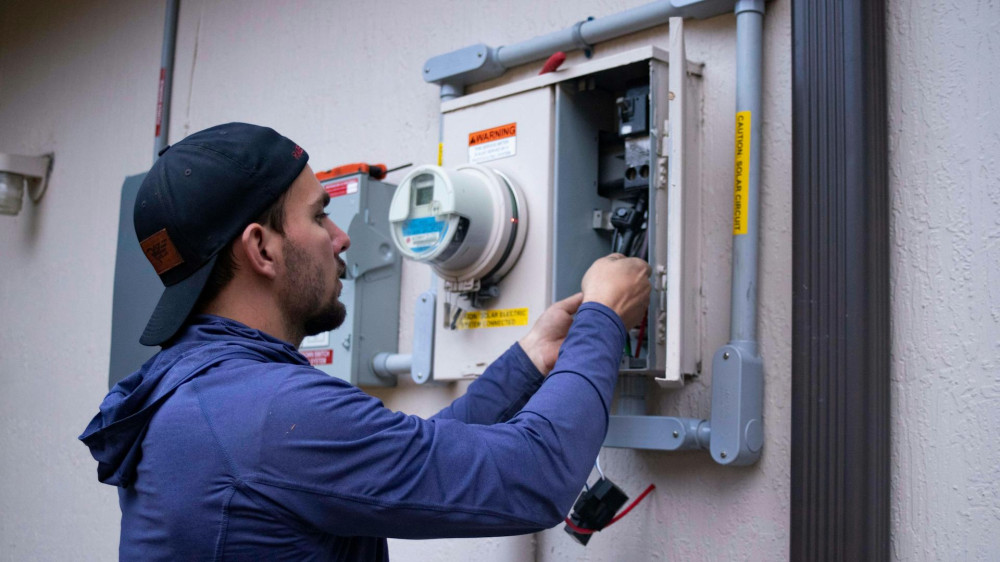
Then there are the ongoing costs—electricity, heating, water, and internet—that tend to rise with inflation. Even small annual increases can add up significantly over a decade. That’s why it’s important to look beyond your current monthly payment and think about how your housing expenses might change over time.
Læs også:


Long-Term Planning Builds Financial Security
Long-term planning isn’t just about crunching numbers—it’s about creating peace of mind. By anticipating future changes, you can avoid unpleasant surprises and ensure your finances can handle both expected and unexpected costs.
A good starting point is to create a 10-year housing budget that includes projected changes in mortgage rates, property taxes, and maintenance expenses. This gives you a realistic picture of how your finances might evolve and helps you identify how much flexibility you have for emergencies or other goals.
Maintenance: The Hidden Expense
Maintenance is one of the most overlooked aspects of housing costs. Roofs, plumbing, HVAC systems, and appliances all wear out over time, and repairs can be expensive. A common rule of thumb is to set aside 1–2% of your home’s value each year for maintenance. It may seem like a lot, but it’s far cheaper than taking on debt for major repairs later.
Renters aren’t immune to maintenance-related costs either. Renovations or building improvements can lead to rent increases, especially in older properties. Keeping an eye on your landlord’s maintenance plans can help you anticipate potential rent hikes.
Interest Rates and Loans: Know Your Risk
For homeowners, interest rates play a huge role in affordability. When rates are low, adjustable-rate mortgages (ARMs) can look appealing—but they also carry the risk of higher payments if rates rise. Fixed-rate mortgages offer more predictability, though they may cost more upfront.
The key is to understand your own risk tolerance and financial cushion. If your budget is tight, paying a bit more now for a fixed rate might be worth the stability it provides. You can also consider making extra payments when possible to reduce your principal faster and save on interest over time.
Energy Costs and Green Investments
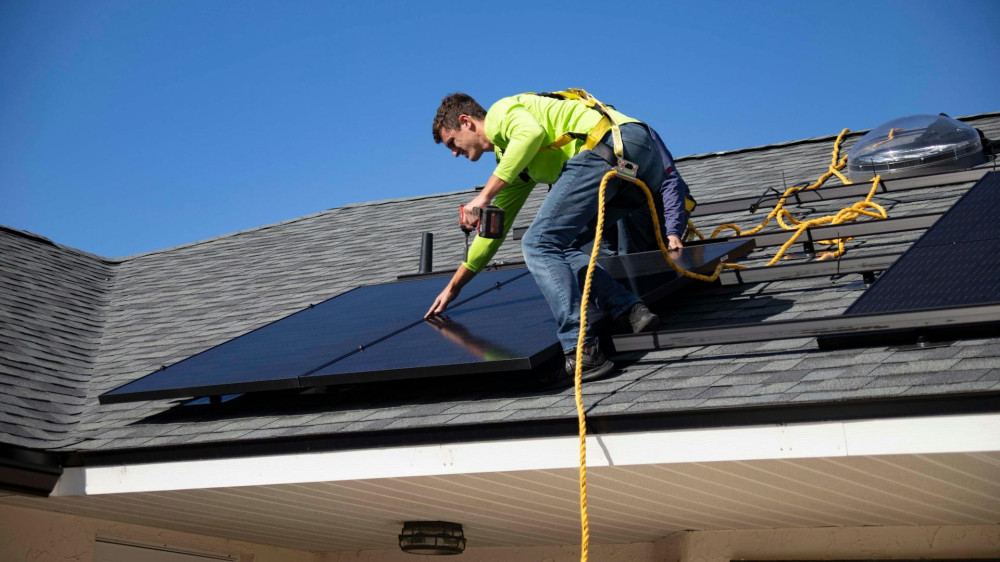
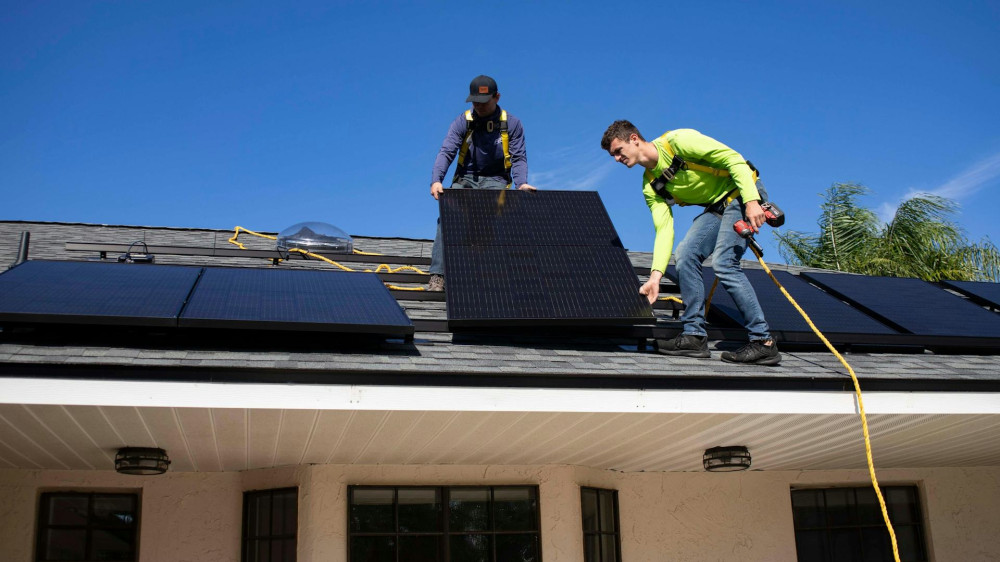
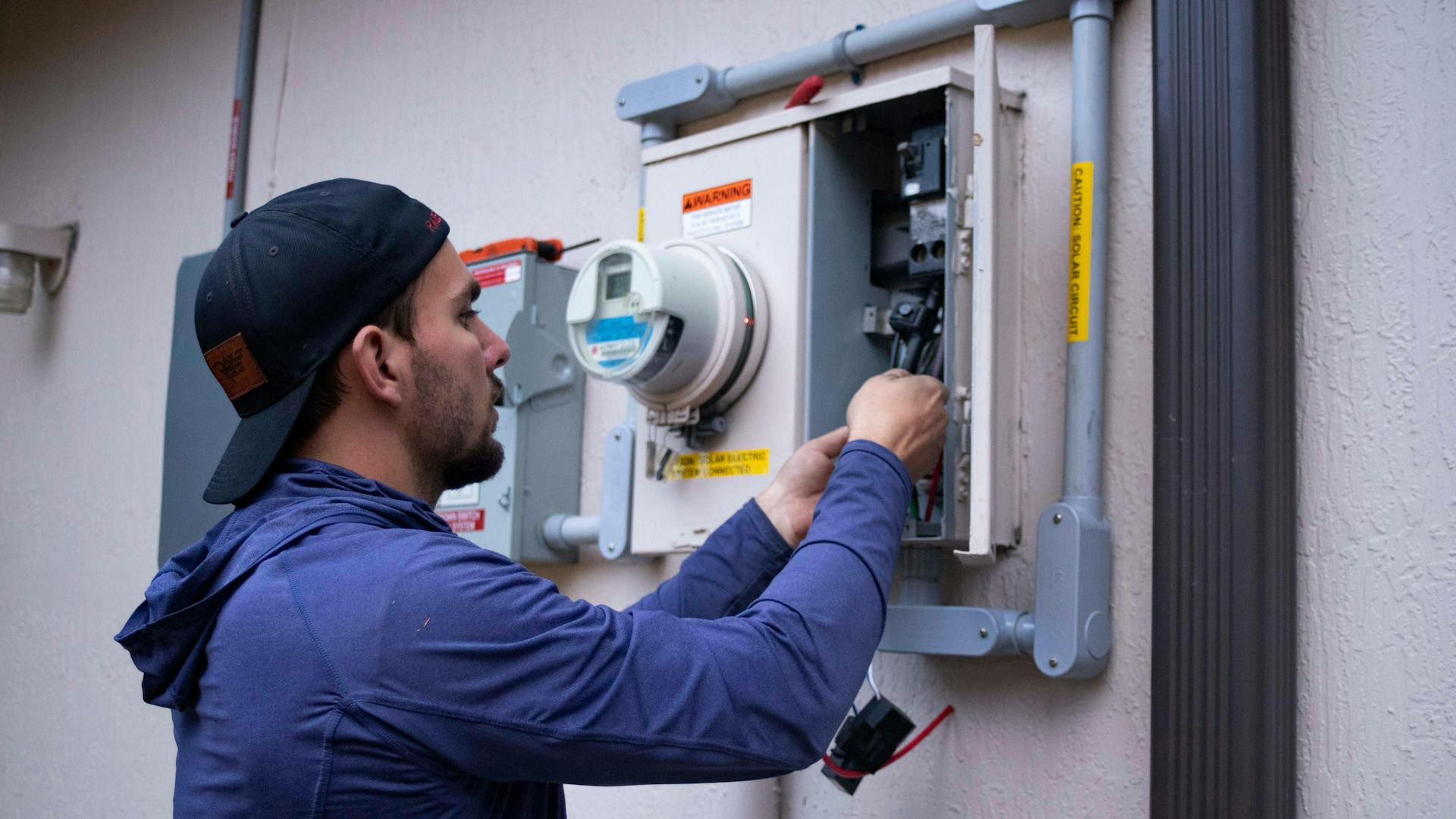
Energy prices have become increasingly volatile in recent years, reminding homeowners and renters alike how unpredictable housing costs can be. Investing in energy efficiency—such as better insulation, solar panels, or a heat pump—can be a smart long-term move. While these upgrades require upfront spending, they can lower your utility bills and make your home more resilient to price swings.
In addition, energy-efficient homes often have higher resale values and may qualify for tax credits or rebates, making them a win-win for both your wallet and the environment.
How to Get a Clear Picture of Your Housing Budget
A solid financial plan starts with a clear overview of your expenses. Here are a few steps to help you stay on top of your housing costs:
- List all fixed expenses – mortgage or rent, insurance, property taxes, and utilities.
- Include variable costs – maintenance, repairs, and potential upgrades.
- Run “what-if” scenarios – what happens if your mortgage rate rises by 2%, or your energy bills double?
- Review your budget annually – housing costs change, and your plan should evolve with them.
By treating your budget as a living document, you’ll be better prepared to make informed decisions and adapt to changes as they come.
An Investment in Stability and Peace of Mind
Ultimately, long-term housing cost planning is about more than just money—it’s about security. When you know your finances can handle fluctuations in interest rates, taxes, or maintenance, you gain the freedom to focus on what truly matters in life. It takes some effort and foresight, but the payoff is lasting stability and confidence in your financial future.
Læs også: