Keep Your Construction Budget on Track with Simple Tools and Templates

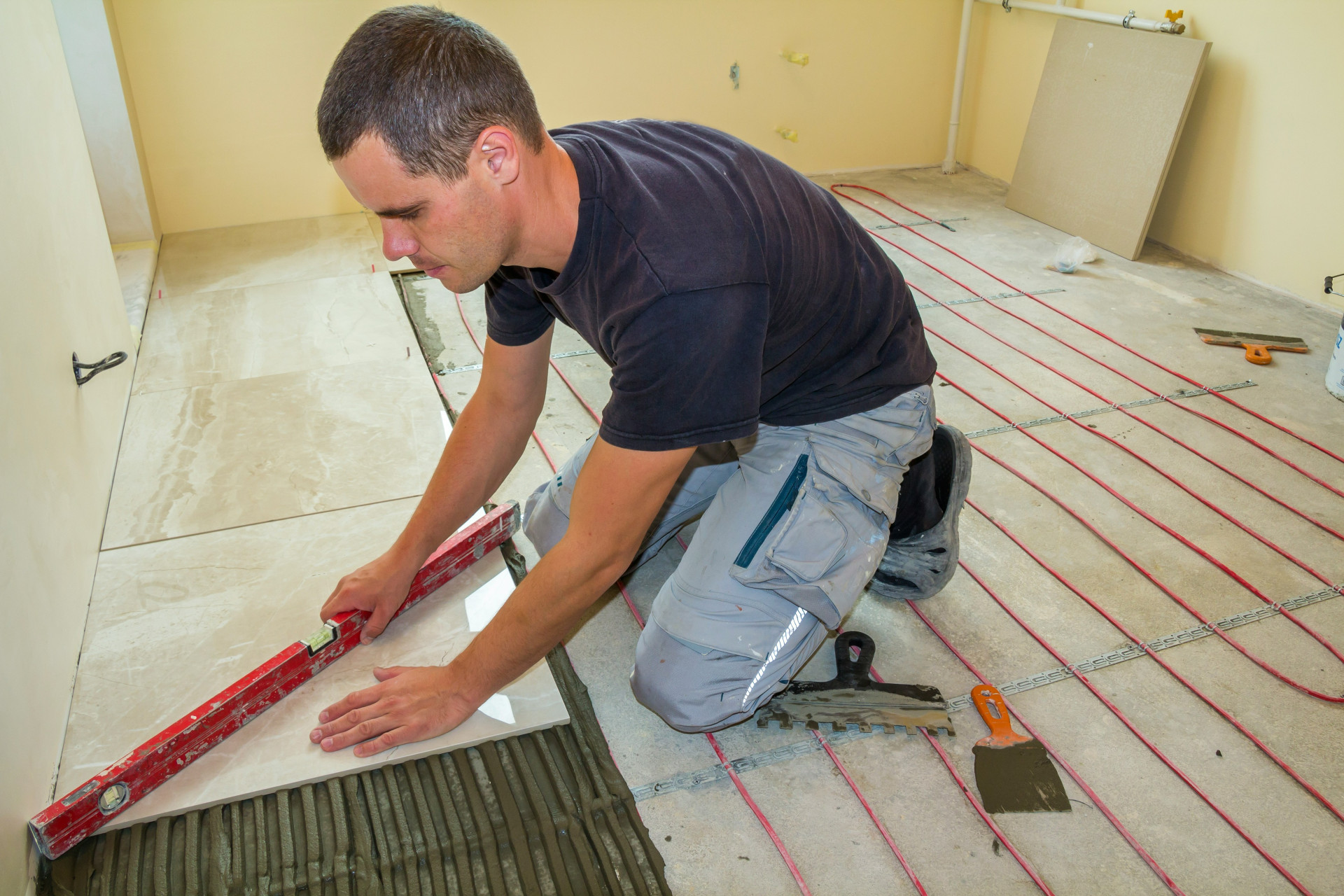
Keep Your Construction Budget on Track with Simple Tools and Templates
A home improvement or construction project—whether it’s a kitchen remodel, a new deck, or a full addition—can quickly spiral out of control if the budget isn’t managed carefully. Between materials, permits, and unexpected costs, it’s easy to overspend. The good news is that you don’t need expensive software or complex spreadsheets to stay organized. With a few simple tools and templates, you can keep your construction budget on track and avoid unpleasant surprises along the way.
Start with a Realistic Budget
The first step is to create a budget that reflects both your goals and your financial limits. Many homeowners make the mistake of basing their budget solely on contractor estimates, but there are often additional costs that don’t appear in those quotes.
A solid construction budget should include:
- Construction costs – materials, labor, equipment rentals, and subcontractors.
- Permits and fees – building permits, inspection fees, and utility connection charges.
- Contingency fund – set aside 10–15% of your total budget for unexpected expenses.
- Personal costs – temporary housing, transportation, or lost income if you’re doing some of the work yourself.
Use a simple spreadsheet to list and adjust these items as your project progresses. This gives you a clear picture of where your money is going and helps you identify areas where you can save.
Track Spending with a Construction Ledger
A budget only works if you monitor it. A construction ledger helps you compare planned expenses with actual spending. It can be as simple as a spreadsheet with columns for “Budgeted,” “Actual,” and “Difference.”
Update your ledger regularly—weekly or after each invoice—to see whether your project is staying within budget. If one category starts to exceed expectations, you can make adjustments elsewhere before it becomes a problem.
It’s helpful to divide your ledger into project phases: planning, foundation, framing, systems (plumbing, electrical, HVAC), finishes, and final touches. This structure makes it easier to track progress and spending over time.
Læs også:

Use Templates to Stay Organized
Beyond your budget and ledger, a few simple templates can make a big difference in keeping your project organized:
- Timeline – a basic Gantt chart or calendar showing when each task should be completed and who’s responsible.
- Material list – a detailed inventory of materials, prices, and delivery dates to prevent delays or duplicate purchases.
- Contact list – keep all contractor, supplier, and inspector information in one place.
- Change log – record any project changes, who approved them, and their cost impact. This documentation can save you headaches if disputes arise later.
You can create these templates in Excel, Google Sheets, or even on paper—the key is to use them consistently.
Digital Tools That Make Budgeting Easier
There are plenty of digital tools that can simplify construction budgeting and project management. Some of the most user-friendly options include:
- Budgeting apps like YNAB (You Need a Budget) or Mint, which help you track expenses in real time.
- Project management tools like Trello, Asana, or Notion, where you can organize tasks, budgets, and documents in one place.
- Construction-specific platforms such as Buildertrend or CoConstruct, which offer templates, cost calculators, and communication tools for homeowners and contractors.
Choose the tool that fits your comfort level and project size—the best system is the one you’ll actually use.
Avoid Common Budget Pitfalls
Even with a solid plan, construction projects can surprise you. Here are some common mistakes to watch out for:
- Overly optimistic budgeting – be realistic and round up rather than down.
- Lack of written agreements – always get contracts and change orders in writing.
- No contingency fund – unexpected costs are almost guaranteed.
- Poor communication – misunderstandings about scope or pricing can quickly become expensive.
By being thorough from the start and reviewing your numbers regularly, you can minimize financial stress and keep your project on track.
Make Budgeting Part of Your Routine
Managing your construction budget isn’t just about numbers—it’s about peace of mind. When you have a clear financial overview, you can make better decisions and enjoy the process instead of worrying about costs.
Set aside time each week to review your budget and project status. It might take only 30 minutes, but it can save you thousands of dollars—and a lot of frustration.
With simple tools, clear templates, and consistent follow-up, you can keep your construction budget under control and ensure your project is a success—both practically and financially.
Læs også: