Green Renovation with Purpose: Prioritize the Initiatives That Create the Greatest Sustainable Impact

Green Renovation with Purpose: Prioritize the Initiatives That Create the Greatest Sustainable Impact
Green renovation isn’t just about cutting energy bills—it’s about creating homes that are healthy, durable, and ready for the future. But with sustainability becoming a buzzword, it can be hard to know which upgrades truly make a difference. Should you start with solar panels, new windows, or better insulation? Here’s how to prioritize your green investments so they deliver the greatest environmental and financial impact.
Start with Energy Efficiency – It Delivers the Biggest Results
When it comes to a home’s carbon footprint, energy use for heating, cooling, and electricity is the biggest contributor. That’s why improving energy efficiency is the most effective place to start.
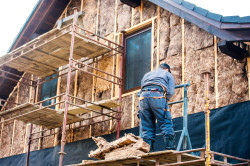
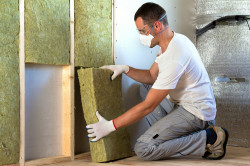
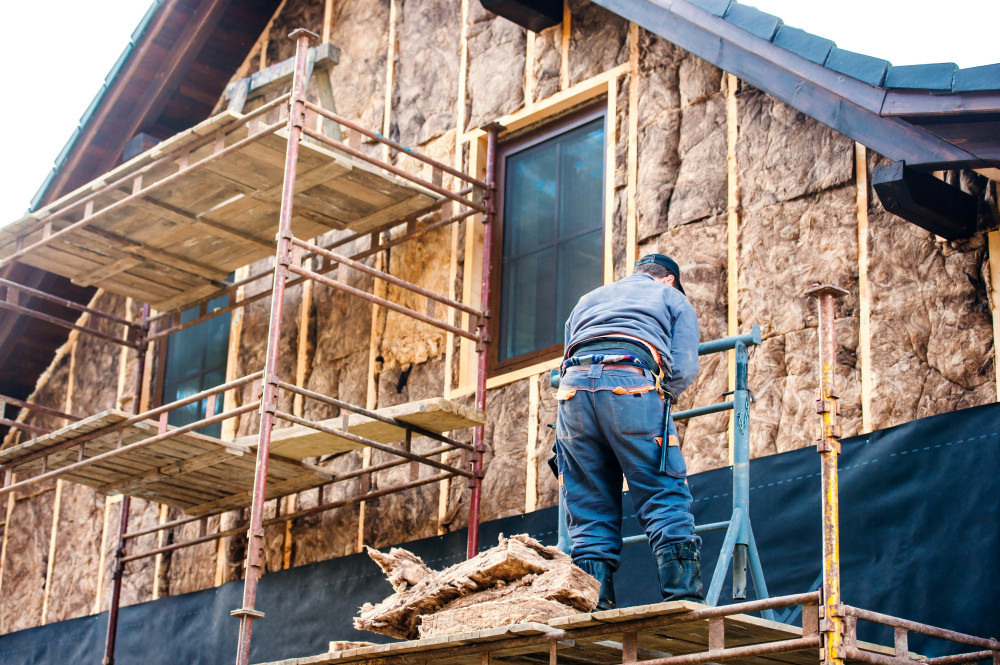
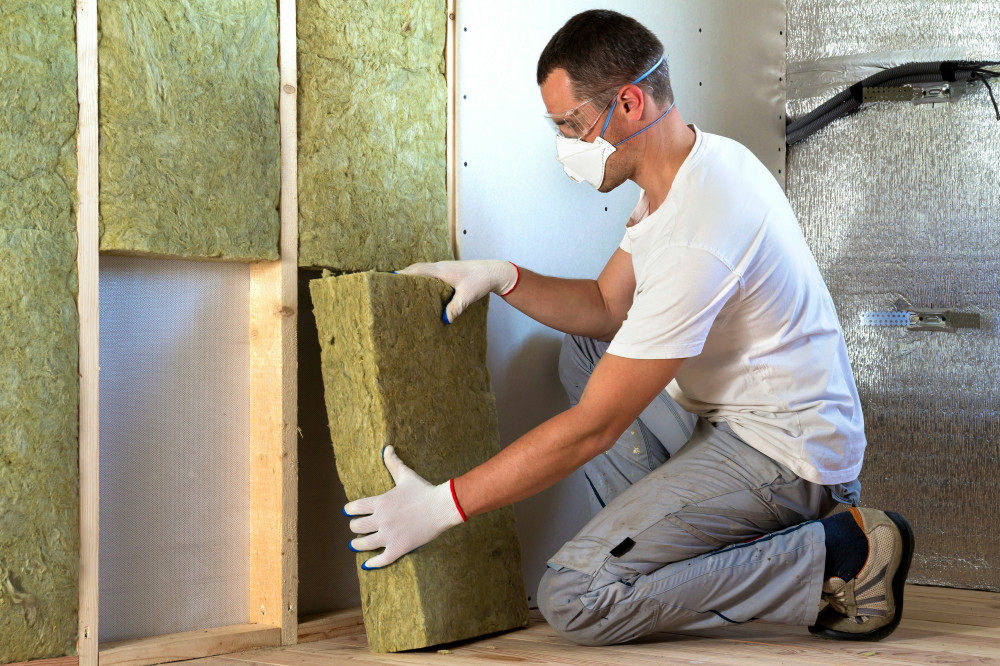
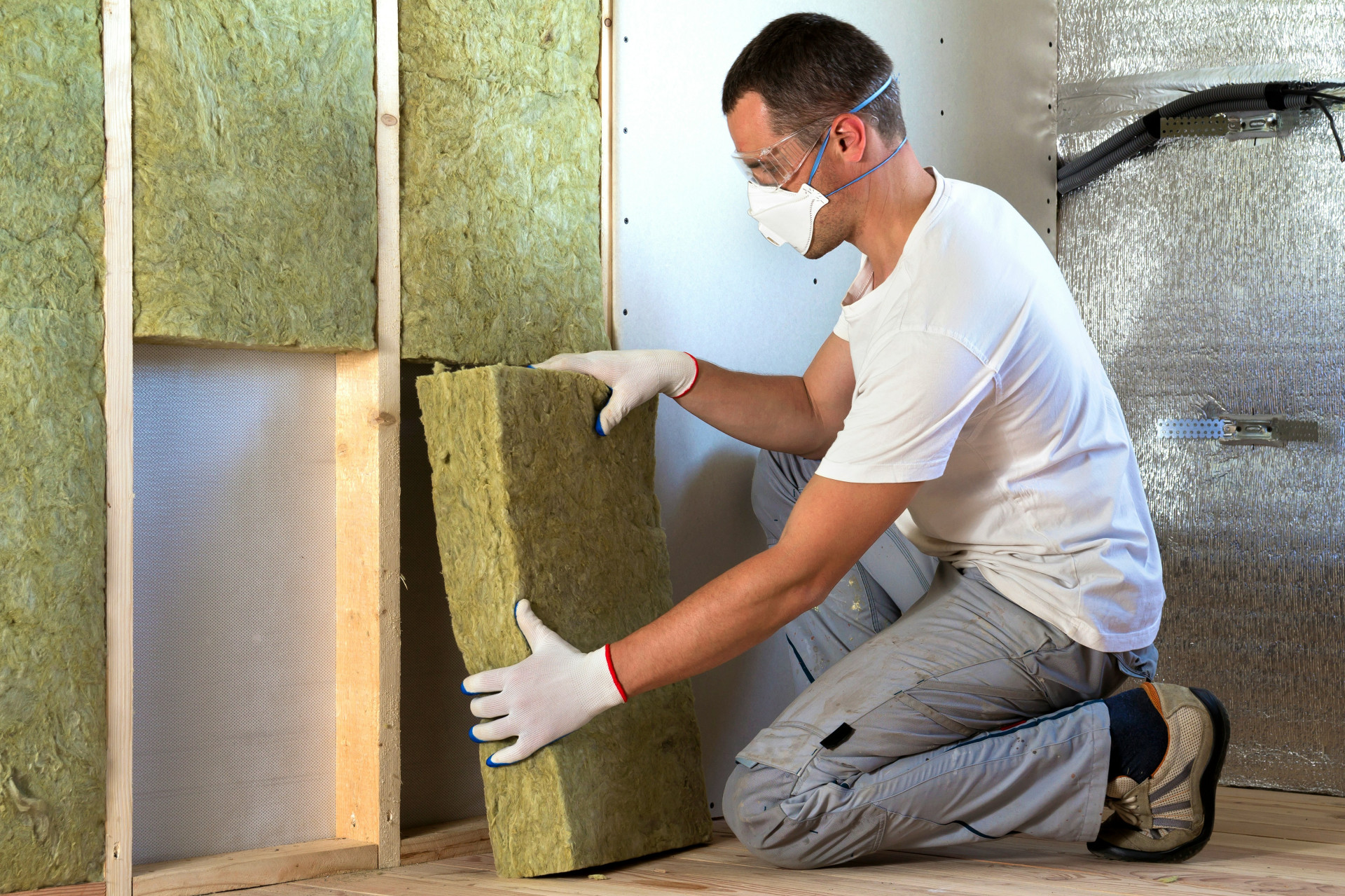
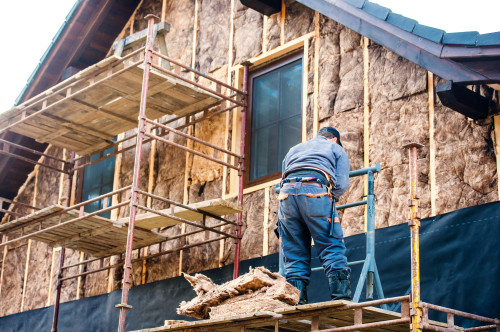
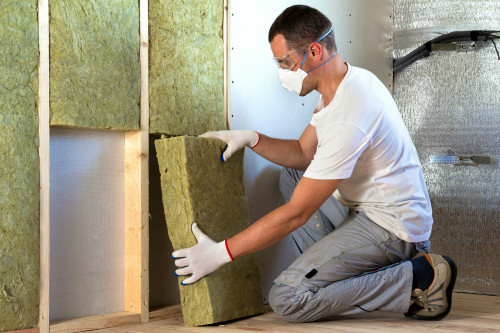
- Insulation is often the first and most impactful step. Properly insulating your attic, walls, and floors can dramatically reduce heat loss and lower your heating and cooling needs.
- High-performance windows and doors prevent drafts and energy leaks. If your windows are more than 20 years old, replacing them with ENERGY STAR®-rated models can be a smart investment.
- Efficient heating and cooling systems—consider replacing an old furnace or air conditioner with a heat pump. Modern heat pumps can both heat and cool efficiently, reducing emissions and operating costs.
These upgrades may not be as visible as rooftop solar panels, but they create lasting benefits for both the climate and your comfort.
Læs også:
Think Holistically – Don’t Renovate in Isolation
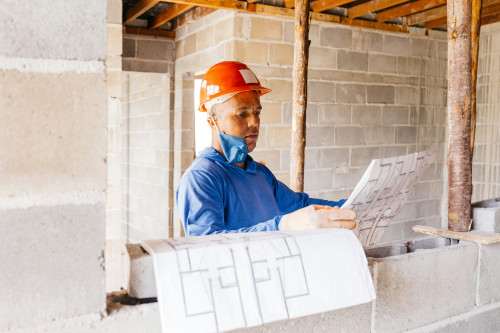
A sustainable renovation works best when you see your home as a system—where insulation, ventilation, materials, and energy sources all interact. Tackling one project at a time without a plan can lead to missed opportunities or costly rework later.
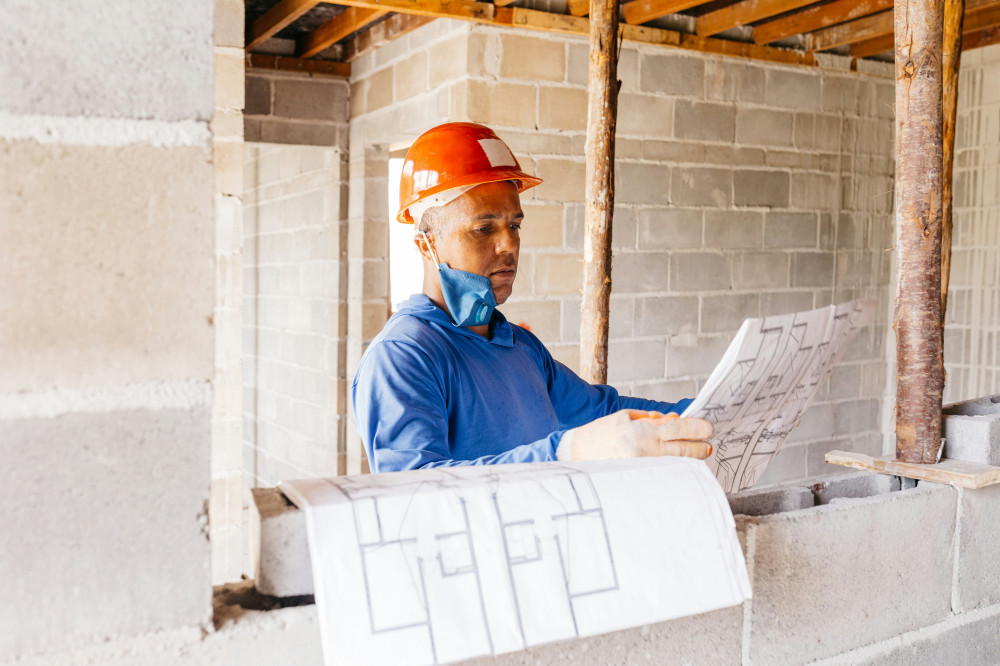
Consider getting a home energy audit or whole-house sustainability assessment. These evaluations identify where your home wastes the most energy and help you plan improvements in the right order. For example, sealing air leaks before upgrading your HVAC system ensures that new equipment isn’t oversized or inefficient.
Choose Low-Impact Materials
Energy efficiency is only part of the sustainability equation. The materials you use also have a major environmental footprint. The production of concrete, steel, and glass emits large amounts of CO₂, while natural or recycled materials often have a much lower impact.
- Wood is a renewable resource that stores carbon when sourced responsibly.
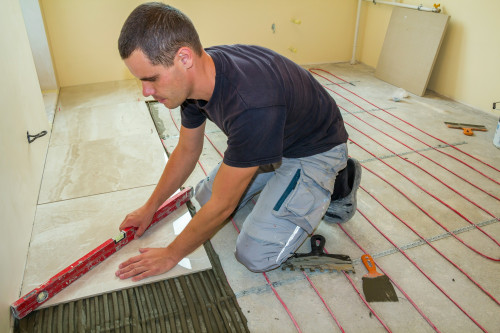
- Reclaimed materials—such as salvaged brick, flooring, or doors—add character while conserving resources.
- Certified sustainable products (like those with GREENGUARD or FSC labels) ensure that materials meet environmental and health standards.
By choosing materials thoughtfully, you can reduce your renovation’s total carbon footprint without sacrificing style or quality.
Indoor Air Quality and Health – The Overlooked Side of Sustainability
A green home should be energy-efficient and healthy to live in. Poor ventilation, moisture, and off-gassing from building materials can affect both comfort and well-being.
Install balanced ventilation with heat recovery to bring in fresh air without losing warmth. Choose paints, flooring, and finishes with low or zero VOCs (volatile organic compounds). These small choices can make a big difference in creating a comfortable, healthy indoor environment—an essential part of true sustainability.
The Economics of Green Choices
While sustainable renovations often require upfront investment, they pay off over time. Lower utility bills, increased property value, and improved comfort are tangible benefits. In addition, there are federal tax credits, state incentives, and green financing options that can make eco-friendly upgrades more affordable.
Think in terms of total cost of ownership—including installation, maintenance, and energy use. A solution that costs a bit more today may save you significantly in the long run if it lasts longer and uses less energy.
Prioritize with Purpose
Green renovation isn’t about doing everything at once—it’s about taking the steps that create the greatest impact for the environment, your budget, and your daily life. Start with energy efficiency, choose healthy materials, and plan your projects as part of a bigger picture. That way, your renovation becomes more than a home improvement—it becomes a meaningful contribution to a sustainable future.
Læs også: